A coffee mug seems like the simplest thing in the world to buy – until you realise the wrong one lets your coffee go cold, hurts your hand, chips in a week, or does not fit your coffee maker. Choosing well is not hard, but it does help to know what to look at.
This guide walks you through how to choose a coffee mug step by step: the materials and what each is best for, the right size for your drink, why shape and handle matter more than you think, and how to keep your mug looking new. You will also see a real example of each type so you can shop with confidence. Let us get started. 👇
📋 Table of Contents
1️⃣ Step 1: Choose the Material
Material is the single biggest decision, because it affects heat retention, weight, durability, and how the mug feels. Here is the plain-English version of your options.
Ceramic – the everyday all-rounder
Ceramic is the default for a reason: it holds heat well, comes in every style imaginable, and is usually microwave- and dishwasher-safe. It is the best starting point for most people. The only downside is that cheaper ceramic can chip if the glaze is thin.
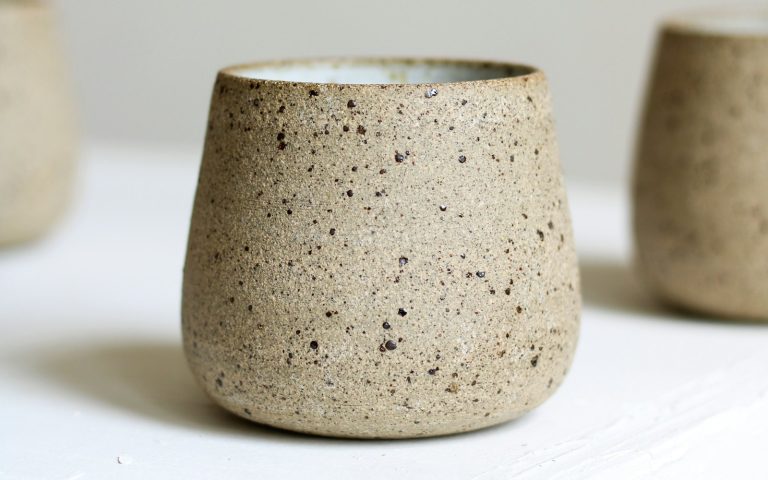
Stoneware – best heat retention
Stoneware is ceramic is tougher, thicker cousin. Those thicker walls keep coffee hot noticeably longer and shrug off daily knocks. If you sip slowly or hate reheating, stoneware is your friend. The trade-off is a bit more weight.
Porcelain – the premium feel
Porcelain (and bone china) feels light, smooth, and refined – the classic “nice mug” feel. It is perfect for tea and for gifts. It holds heat about as well as ceramic but feels more delicate, so it suits gentler use.
Glass – show off your drink
Glass mugs are all about looks – they show off layered lattes, matcha, and iced coffee beautifully. Double-wall borosilicate glass even insulates well. Just handle it a little more gently than ceramic.
Stainless steel – built for travel
Vacuum-insulated stainless mugs keep drinks hot for hours and cold drinks cold, and they survive being dropped. They are the go-to for commuting and the outdoors. The catch: they cannot go in the microwave.
2️⃣ Step 2: Pick the Right Size
Mug sizes sound trivial but they change the whole experience. Here is a simple sizing guide by drink:
- 2-4 oz – espresso and ristretto. Small, thick-walled cups keep the shot hot.
- 8-10 oz – cappuccino, flat white, or a modest coffee.
- 11-12 oz – the everyday classic. Right for a normal coffee or tea.
- 14-16 oz – big-coffee mornings and desk use, fewer refills.
- 20 oz+ – the “do not talk to me yet” size for serious coffee drinkers.
A good rule: if you often reheat because your coffee goes cold, either size down (so you finish it hot) or add a lid or mug warmer. If you are always getting up for refills, size up.
3️⃣ Step 3: Shape and Wall Thickness
Shape affects how fast your coffee cools. A wide, open mug looks lovely but loses heat quickly because more surface area is exposed to the air. A taller, narrower mug keeps drinks hotter for longer. If heat retention matters to you, lean taller and narrower.
Wall thickness matters just as much. Thicker walls (like stoneware) act as insulation, keeping your drink warm and staying comfortable to hold. Thin, delicate walls feel elegant but let heat escape fast and crack more easily. For daily coffee, a bit of thickness is your friend.
4️⃣ Step 4: Handle Comfort
This is the detail almost everyone overlooks – and then regrets. A small, thin handle forces you to pinch the mug, which is uncomfortable and risky when it is full and hot. A roomy, rounded handle that fits two or three fingers is far more secure and pleasant.
Check buyer photos, not just the product shots, to see the handle from the side. If people mention “the handle is too small,” believe them – especially if you have larger hands or plan to fill the mug to the brim.
5️⃣ Step 5: Care and Safety
Finally, think about upkeep. If you hate hand-washing, confirm the mug is dishwasher-safe. If you reheat coffee, confirm it is microwave-safe – and never microwave a mug with metallic or gold trim, because the metal can spark. For hand-painted or imported ceramics, look for food-safe, lead-free labelling for peace of mind.
💡 The perfect mug is a balance: thick enough to hold heat, sized to your drink, with a handle your fingers actually fit. Nail those three and the rest is just style.
🛍️ A Great Example of Each Type
To make this concrete, here is a real example of each mug type – so you can see exactly what “good” looks like in each category.
📊 Material Comparison Table
| Material | Heat Retention | Weight | Microwave | Best For |
|---|---|---|---|---|
| Stoneware | Very good | Heavier | Usually yes | Slow sippers |
| Ceramic | Good | Medium | Usually yes | Everyday all-rounder |
| Porcelain | Good | Light | Check label | Espresso, gifts |
| Glass | Fair (double-wall: good) | Light | Check label | Lattes, iced drinks |
| Stainless steel | Excellent | Medium | No | Travel, outdoors |
🚫 Common Mistakes (and Fixes)
✅ Fix: A gorgeous wide mug that cools coffee in five minutes will frustrate you daily. Balance looks with material, size, and handle.
✅ Fix: Match ounces to what you actually drink – 12 oz everyday, 15-16 oz for big coffee, small for espresso.
✅ Fix: Look at side-on buyer photos. A roomy handle makes a full, hot mug safe and comfortable to hold.
🔗 Keep Reading: More Mug Guides
Enjoyed this guide? Here are more hand-picked reads to help you find your perfect mug:
❓ Coffee Mug FAQ
What is the healthiest material for a coffee mug?
Look for lead-free, cadmium-free ceramic, stoneware, or porcelain, or food-grade stainless steel. Avoid cracked or heavily worn mugs, and check labelling on cheap imported or hand-painted pieces.
What mug keeps coffee hot the longest?
A vacuum-insulated stainless steel mug wins by far. Among ceramics, thick stoneware with a lid holds heat best. Pre-warming any mug also helps.
What size coffee mug is standard?
10-12 oz is the most common everyday size. 14-16 oz suits desk use and big-coffee drinkers, while espresso cups are 2-4 oz.
Are all ceramic mugs microwave-safe?
Most plain ceramic mugs are, but mugs with metallic or gold decoration are not – the metal can spark. Always check the manufacturer label.
Should I buy a mug with a lid?
A lid helps if you sip slowly, work at a desk, or commute. It keeps coffee warmer and prevents spills. For quick drinks at home, it is optional.
✅ Your Mug-Buying Checklist
Run through this before you buy:
- ☑️ Material chosen for your priority (heat, weight, or travel)
- ☑️ Size matched to your usual drink
- ☑️ Taller/thicker walls if heat retention matters
- ☑️ Roomy handle confirmed in buyer photos
- ☑️ Microwave & dishwasher needs checked
- ☑️ Lead-free/food-safe labelling on cheap or hand-painted mugs
Now you know exactly how to choose a coffee mug that fits your coffee, your hand, and your kitchen. Pick the material that matches your priority, size it to your drink, and check that handle – the rest is just picking a design you love.
As an Amazon Associate, BestMugsGuide may earn from qualifying purchases. Prices and availability are accurate as of the date of publishing and can change.